When the warm aroma of saffron, ginger, and cinnamon begins to fill the air, you instantly know something extraordinary is being prepared — it’s the Moroccan tagine.
This is not just a meal; it’s a story of heritage, patience, and balance.
The tagine reflects Morocco’s identity — a culture that values slow living, shared meals, and deep respect for nature’s ingredients.
In an era dominated by fast food and processed meals, the tagine reminds us that healthy eating can still be deeply satisfying.
With its blend of lean proteins, fresh vegetables, natural fats, and fragrant spices, this dish embodies smart nutrition wrapped in tradition.
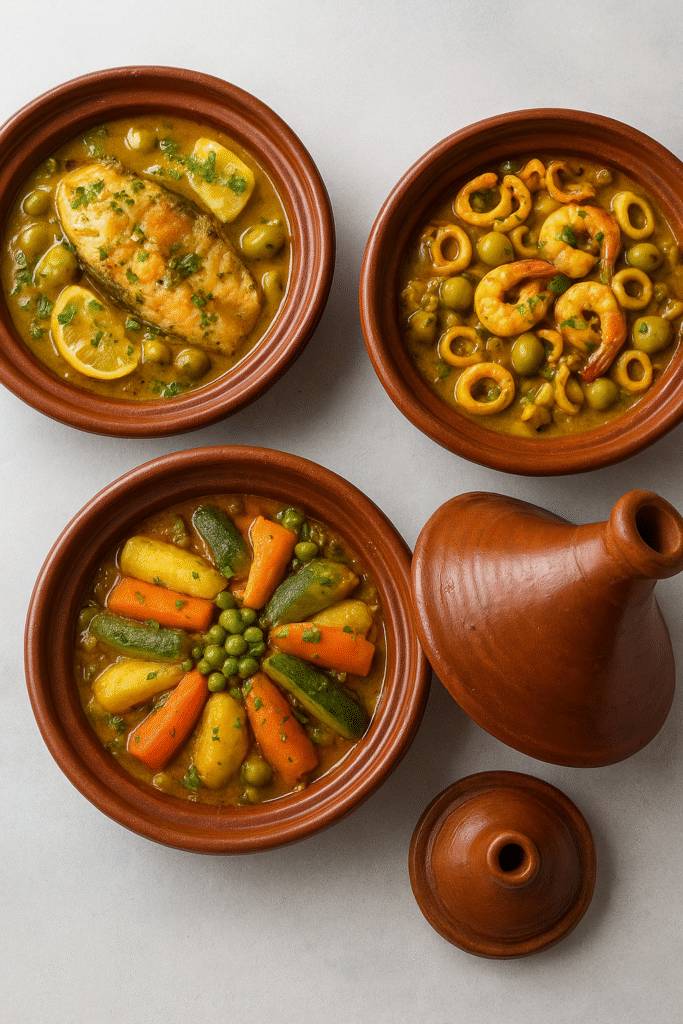
Tagine: More Than Food — A Way of Life
In Morocco, the tagine is not only a recipe; it’s a ritual of togetherness.
Families gather around the steaming pot in the middle of the day, sharing both food and laughter.
It’s a moment of pause in a fast-paced world — a space to reconnect, nourish, and slow down.
The distinctive conical lid of the tagine isn’t just aesthetic. It’s an ancient culinary innovation designed to trap steam and distribute moisture evenly.
This unique system allows the ingredients to cook gently in their own juices, preserving both nutrients and texture.
The Ingredients: A Perfect Nutritional Symphony
A traditional Moroccan tagine usually combines:
Meat or chicken – rich in protein, iron, and zinc.
Seasonal vegetables – like carrots, potatoes, onions, and tomatoes, offering vitamins and fiber.
Natural spices – turmeric, ginger, cinnamon, and black pepper, known for their antioxidant properties.
Olive oil – a source of heart-healthy monounsaturated fats.
Preserved lemon and olives – to balance flavor with tangy freshness.
Each ingredient contributes its own nutritional story.
Turmeric, for instance, supports digestion and reduces inflammation, while cinnamon helps regulate blood sugar levels.
The Secret of Slow Cooking
The true magic of a tagine lies in time and patience.
It’s cooked slowly over low heat for hours, allowing natural juices to blend and deepen into a rich, flavorful sauce.
From a nutritional perspective, this method retains vitamins and enzymes that are often lost in high-heat cooking.
Modern food science now confirms what Moroccan grandmothers have always known:
Slow cooking preserves the natural integrity of ingredients, resulting in both better flavor and better nutrition.
The outcome is a dish that is not only comforting but also scientifically nourishing.
Tradition Meets Modern Nutrition
Interestingly, the Moroccan tagine can easily be classified under the Mediterranean diet, one of the world’s healthiest eating patterns.
It emphasizes fresh ingredients, healthy fats, moderate protein, and plenty of plant-based foods — all cornerstones of sustainable nutrition.
Health experts agree that enjoying tagine regularly — especially those cooked with olive oil and vegetables — may reduce the risk of chronic diseases such as cardiovascular problems, inflammation, and obesity.
The Cultural Roots and Evolution of the Moroccan Tagine
A Dish Woven Into Moroccan History
The story of the tagine stretches back over a thousand years, connecting Berber nomads, Andalusian traders, and Arab dynasties.
It originated as a practical invention — a way for travelers to cook nutritious meals slowly using limited resources.
The clay pot was lightweight, portable, and could cook food evenly over small fires, making it perfect for life in the desert and mountains.
Over centuries, the tagine evolved from a survival tool into an art form.
Each Moroccan region added its signature touch: the coastal towns incorporated fish, the Atlas Mountains favored lamb, and the Sahara introduced dates and dried fruits.
Today, tagine recipes reflect not only ingredients but stories of trade, migration, and love passed down through generations.
The Symbolism Behind the Tagine
In Moroccan culture, the tagine represents balance — between heat and moisture, tradition and innovation, indulgence and health.
It is often served during weddings, family gatherings, or Ramadan, symbolizing unity and blessing.
Even the act of eating tagine carries meaning. Traditionally, family members eat from one shared plate, emphasizing equality and connection.
Each scoop of warm sauce and tender meat reminds people that food is not just fuel — it’s a shared experience of gratitude.
Regional Variations and Nutritional Insights
Morocco’s geography gives rise to distinct tagine varieties, each with unique health benefits:
-
Tagine with Prunes and Almonds (Tajine Barkouk):
A sweet-salty masterpiece made with lamb or chicken, prunes, almonds, and cinnamon.
The prunes are high in antioxidants and fiber, supporting digestive health. Almonds add vitamin E and healthy fats.
-
Tagine with Preserved Lemons and Olives (Tajine Mchermel):
This iconic version bursts with tangy, citrus flavor.
Preserved lemons contain probiotics and enhance immunity, while olives provide monounsaturated fats that are great for the heart.
-
Vegetable Tagine (Tajine Khoudra):
A perfect choice for vegetarians — filled with zucchini, carrots, peas, potatoes, and tomatoes.
It’s low in calories but rich in vitamins A and C, potassium, and fiber.
-
Fish Tagine (Tajine Samak):
Common in coastal areas, it’s packed with omega-3 fatty acids, which promote brain and heart health.
These diverse tagines prove that Moroccan cuisine can be both flavorful and nutritionally balanced — a perfect example of how cultural heritage aligns with modern health science.
Adapting the Tagine to a Modern Healthy Lifestyle
While the traditional clay pot remains a cornerstone, today’s chefs and home cooks are giving the tagine a modern, health-conscious twist.
Here are a few ways you can adapt it without losing authenticity:
-
Use lean protein: Replace lamb with skinless chicken or fish for a lighter version.
-
Add more vegetables: Incorporate zucchini, spinach, or bell peppers to increase fiber and vitamins.
-
Reduce salt: Rely on natural spices and lemon for flavor instead.
-
Use extra virgin olive oil: It’s packed with antioxidants and heart-friendly fats.
-
Limit sugar: If your recipe uses dried fruits, reduce or skip added sugar — the natural sweetness is enough.
These small changes make the tagine a perfect fit for modern wellness goals — whether your readers aim for weight management, balanced nutrition, or simply mindful eating.
The Science Behind the Flavors
Recent studies on traditional Moroccan spices show they are powerful natural healers.
For example:
-
Cinnamon helps regulate blood sugar and lowers cholesterol.
-
Turmeric contains curcumin, a potent anti-inflammatory compound.
-
Ginger aids digestion and boosts metabolism.
-
Saffron enhances mood and cognitive function.
This means that the pleasure of eating a tagine is not just emotional — it’s also biochemically beneficial.
The slow-cooking process activates essential oils and micronutrients, creating a dish that heals both body and mind.
The Modern Healthy Tagine — Science, Flavor, and Fitness Fuel
A Culinary Bridge Between Tradition and Wellness
In today’s world of fast diets and protein shakes, the Moroccan tagine stands as a gentle reminder: health doesn’t have to be rushed.
This dish, born in clay and fire, teaches patience — the same patience required to build strength, discipline, and lasting wellness.
It’s not just a “meal”; it’s a balanced equation of macronutrients and antioxidants, cooked slowly to perfection.
Whether you’re a bodybuilder, an athlete, or a parent seeking clean home food, the tagine can easily fit into a modern nutrition plan.
The Healthy Chicken & Vegetable Tagine Recipe
Ingredients (serves 4)
-
600 g skinless chicken thighs or breast, cut into medium pieces
-
3 tbsp extra virgin olive oil
-
1 large onion, finely chopped
-
2 garlic cloves, minced
-
2 carrots, sliced into thick rounds
-
2 zucchinis, cut into chunks
-
1 red bell pepper, sliced
-
2 medium potatoes, cubed
-
1 large tomato, diced
-
1 tsp turmeric
-
1 tsp ginger powder
-
½ tsp black pepper
-
½ tsp paprika
-
¼ tsp cinnamon
-
Salt to taste
-
1 cup low-sodium chicken broth or water
-
1 preserved lemon (or juice of ½ fresh lemon)
-
A handful of green olives
-
Fresh coriander for garnish
Instructions
-
Marinate the chicken:
Combine olive oil, spices, garlic, and lemon juice. Add chicken pieces and let them rest for at least 30 minutes (or overnight).
This not only enhances flavor but allows natural enzymes to tenderize the meat.
-
Sauté the base:
In a tagine pot (or heavy pan), heat a little oil, add onions, and cook until translucent.
Add marinated chicken, letting it brown slightly to lock in the juices.
-
Layer the vegetables:
Arrange carrots and potatoes first (they cook slower), then zucchini, peppers, and tomato on top.
Pour in broth, cover, and let the tagine simmer on low heat for 1 ½ to 2 hours.
-
Finishing touches:
Once the chicken is tender and the sauce thickens, stir in olives and preserved lemon.
Sprinkle with fresh coriander before serving.
Serve warm with whole-grain couscous or barley bread for extra fiber.
Nutritional Breakdown (per serving – approximate)
| Nutrient |
Amount |
Key Benefits |
| Calories |
~420 kcal |
Balanced energy portion |
| Protein |
35 g |
Muscle repair and satiety |
| Carbohydrates |
32 g |
Sustained energy |
| Fat |
18 g (mostly healthy) |
Hormonal balance, joint health |
| Fiber |
7 g |
Digestive health |
| Iron & Zinc |
Moderate |
Immune and metabolic support |
| Vitamin C, A, E |
High |
Antioxidant protection |
This meal is macro-friendly, providing a strong balance of protein and slow-digesting carbs — ideal for post-workout recovery or midday energy.
Why the Tagine Works for Fitness Enthusiasts
-
Protein quality: Chicken offers complete amino acids for muscle synthesis.
-
Low glycemic load: The mix of vegetables stabilizes blood sugar and prevents crashes.
-
Anti-inflammatory: Spices like turmeric and ginger help reduce muscle soreness.
-
Natural hydration: Slow cooking preserves electrolytes from vegetables.
-
Satiation factor: Olive oil and fiber create long-lasting fullness — perfect for weight control.
Unlike most “fitness meals,” the tagine doesn’t rely on bland flavors or supplements.
It shows how traditional cuisine can meet modern sports nutrition standards naturally.
The Mindful Cooking Experience
Cooking a tagine invites mindfulness — cutting vegetables with care, layering ingredients patiently, and watching flavors merge slowly.
It’s a meditation in motion.
Recent psychological studies show that mindful cooking and eating can reduce stress hormones, improve digestion, and foster a healthier relationship with food.
When you cook with intention, you’re not only feeding your body — you’re reprogramming your mind toward balance.
Eco-Conscious Nutrition
The tagine is also an eco-friendly meal: it uses local, seasonal ingredients and minimal energy.
Traditional clay pots retain heat, reducing the need for constant fuel — a reminder that sustainable living begins in the kitchen.
By choosing vegetables from local markets and olive oil over butter, you support both your health and the planet’s.
The Psychology of Food, Wellness, and the Tagine Spirit
The Ritual of Cooking as Therapy
In a world where life often feels rushed and mechanical, preparing a traditional dish like the Moroccan tagine can be a form of therapy.
From washing vegetables to stirring sauces slowly over gentle heat, every motion quiets the noise of the modern world.
Cooking becomes a language of self-care — a way to ground yourself in the present moment.
Psychologists call this the “flow state” — when your mind focuses deeply on a meaningful task.
This same state is what athletes experience during intense training or artists during creation.
So, when you cook a tagine with focus and patience, you are not just making food — you are entering a state of mindfulness that strengthens mental balance.
The Connection Between Food and Discipline
Fitness and nutrition share a common truth: both demand discipline over time, not intensity in one moment.
A bodybuilder builds strength through consistent reps; a home cook builds skill through consistent meals.
Each slow-cooked tagine mirrors the same philosophy — progress through patience.
When you choose to cook real food instead of ordering processed meals, you’re choosing long-term wellness over short-term pleasure.
This is the same mindset that separates those who maintain health for life from those who chase temporary results.
In Morocco, this attitude is deeply cultural. Families gather for lunch around a shared dish, never rushing, always present.
That slow, intentional rhythm is what makes the tagine not only healthy for the body, but healing for the soul.
Nourishment Beyond Nutrition
Nutrition is not only about calories, macros, or vitamins.
True nourishment is holistic — it includes emotions, connection, gratitude, and pleasure.
When you sit down to eat a tagine:
-
The warmth of the dish relaxes your body.
-
The colors stimulate your senses.
-
The aromas trigger memories of safety and belonging.
-
The flavors bring joy, which directly boosts serotonin, the “happiness hormone.”
Science confirms that eating meals made with care actually improves digestion and nutrient absorption.
Your mindset while eating is just as important as what’s on your plate.
So, yes — the Moroccan tagine is scientifically healthy, but also emotionally intelligent food.
The Modern Tagine Lifestyle
Imagine adopting the tagine philosophy into daily life — slow down, stay balanced, keep your ingredients (and your thoughts) clean.
This is not about giving up modern fitness habits; it’s about blending them with ancient nutritional wisdom.
You can still track macros, stay active, and hit protein goals — but instead of sterile meal prep boxes, you can fill your plate with real, soulful meals.
Healthy eating shouldn’t feel like punishment; it should feel like a celebration of what your body can do when nourished right.
As your blog’s motto says:
“Eat Smart. Live Strong. Stay Balanced.”
The tagine embodies all three — it’s smartly composed, strengthens the body, and balances the mind.
The Science of Shared Meals
Social scientists have found that shared meals lower stress levels, improve family communication, and even enhance children’s academic performance.
Moroccan dining, where everyone eats from one tagine, naturally promotes these effects.
Sharing food builds empathy — a vital nutrient for the human spirit.
So next time you cook a tagine, invite someone to join.
Let conversation and laughter blend with the aroma of saffron and olive oil.
You’ll discover that the healthiest ingredient is connection itself.
Final Words: The Tagine Mindset for a Healthier You
Healthy living isn’t about restriction — it’s about intention.
The tagine teaches us that balance is beautiful:
-
You can eat well without stress.
-
You can nourish deeply without complexity.
-
You can live strong without rushing.
Cooking and eating this dish connects you to centuries of wisdom — from Moroccan grandmothers to modern nutritionists — all teaching the same truth:
“Food prepared with patience becomes medicine. Food eaten with gratitude becomes happiness.”
So, next time you lift the conical lid and that wave of warm, fragrant steam rises, take a deep breath.
You are not just feeding your body; you are feeding your legacy.
A Simple Call to Action for Your Readers
-
Try making a healthy tagine this weekend.
-
Replace fast food with slow food once a week.
-
Share your creation with family or friends.
-
Post it with the hashtag #FitEatsTagineChallenge to inspire others to cook with love and purpose.
Because every time you cook real food, you’re building more than muscle — you’re building a life of balance and meaning.