
In today’s world, where fast food and convenience often win over mindful eating, understanding nutrition facts has never been more important. Food is not just something we consume to fill our stomachs — it’s information for our body. Every bite you take tells your body how to feel, how to perform, and even how long to live.
This article explores the hidden power of nutrition, how to read food labels, the science behind nutrients, and how your daily food choices can either protect or destroy your health.
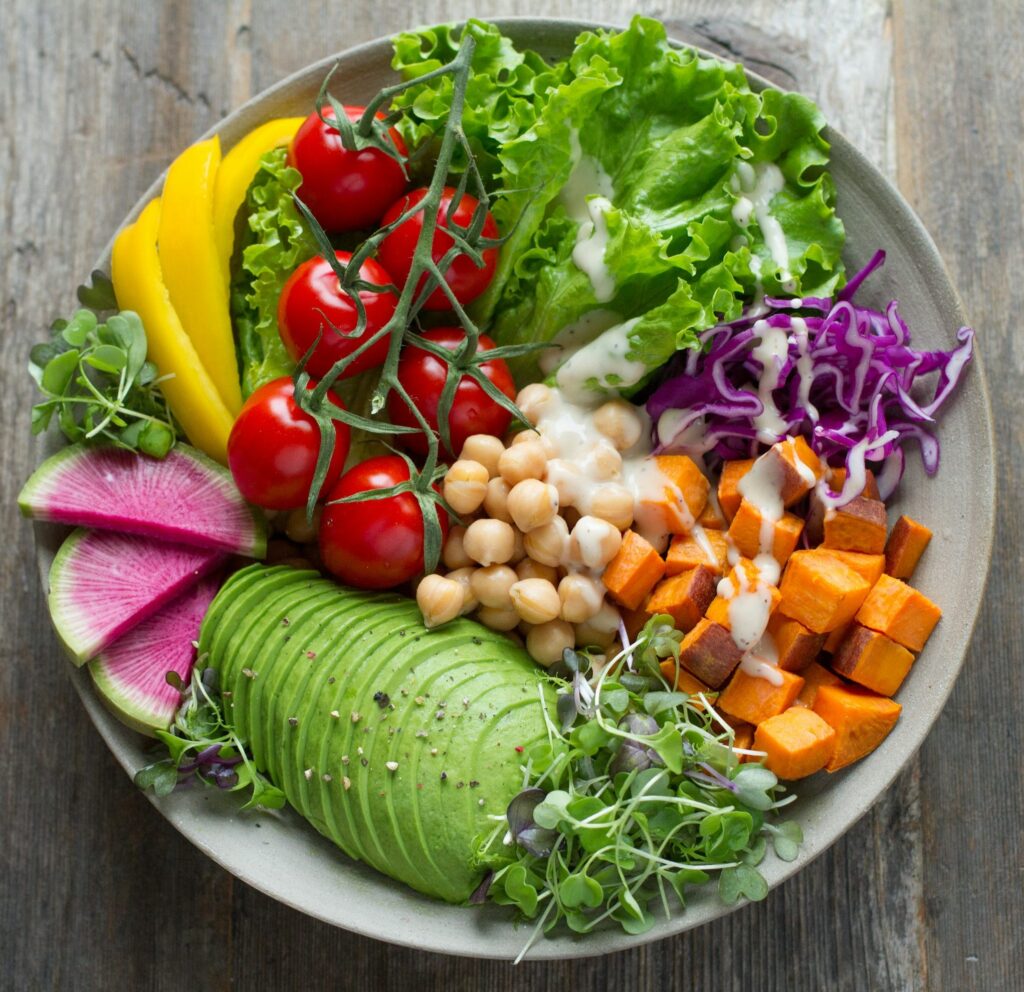
What Are Nutrition Facts and Why Do They Matter?
Nutrition facts represent the scientific breakdown of what’s inside your food — the calories, protein, fats, carbohydrates, vitamins, and minerals.
They help you understand how each food affects your body and empower you to make informed decisions about your diet.
When you know how to read these facts, you can easily spot hidden sugars, excess sodium, and unhealthy fats that can lead to chronic diseases.
Nutrition is more than calories — it’s about quality, balance, and awareness.
The Building Blocks of Nutrition
Let’s break down the main nutrients your body depends on every single day.
1. Carbohydrates – The Body’s Energy Source
Carbohydrates are your body’s main fuel. They power your brain, muscles, and organs.
However, not all carbs are equal.
-
Good carbs: whole grains, oats, quinoa, fruits, and vegetables.
-
Bad carbs: white bread, pastries, sugary snacks, and soft drinks.
Too much refined sugar and white flour can cause energy crashes, insulin resistance, and eventually lead to obesity or type 2 diabetes.
2. Proteins – The Repair and Growth Nutrient
Protein is essential for muscle repair, tissue growth, and hormone production.
Each cell in your body contains protein, making it one of the most vital nutrients.
Healthy sources of protein:
-
Lean meats (chicken, turkey)
-
Fish (especially salmon, sardines, tuna)
-
Eggs
-
Lentils, chickpeas, beans
-
Nuts and seeds
A balanced amount of protein helps keep you full longer, supports fat loss, and builds lean muscle.
3. Fats – The Misunderstood Nutrient
For years, fats were labeled as the “enemy.” But the truth is — your body needs fats to survive.
They support cell structure, absorb vitamins (A, D, E, K), and provide long-lasting energy.
Good fats:
-
Olive oil
-
Avocados
-
Almonds and walnuts
-
Fatty fish (like salmon)
Avoid:
-
Trans fats
-
Deep-fried foods
-
Margarine and processed snacks
Too much unhealthy fat can clog arteries and raise bad cholesterol (LDL), increasing the risk of heart disease.
4. Vitamins and Minerals – The Micro Magic
Though you only need them in small amounts, vitamins and minerals play a huge role in keeping your body balanced.
-
Vitamin C boosts immunity and helps the body absorb iron.
-
Vitamin D strengthens bones and regulates mood.
-
Calcium keeps bones and teeth strong.
-
Iron carries oxygen in your blood.
-
Magnesium supports muscles, heart rhythm, and sleep.
A diet rich in fruits, vegetables, nuts, and whole grains ensures you get enough of these vital nutrients.
5. Water – The Forgotten Nutrient
We often talk about food but forget that water is essential for every body function.
It regulates temperature, removes waste, aids digestion, and keeps your skin healthy.
Aim for 2–3 liters per day, or more if you’re active.
Even mild dehydration can cause fatigue, headaches, and poor concentration.
Understanding Nutrition Labels: The Key to Smarter Eating
Reading nutrition labels may seem boring or complicated, but it’s one of the most powerful habits you can develop for your health. Labels tell you exactly what you are putting into your body — and once you learn how to read them, you’ll never be fooled by marketing tricks again.
How to Read a Nutrition Label
Every packaged food has a label that lists:
-
Serving size: How much of the food counts as one portion.
-
Calories: How much energy the portion provides.
-
Nutrients: Fats, carbohydrates, proteins, sugar, fiber, sodium, vitamins, etc.
Understanding these details helps you decide whether a product supports your health or harms it.
Let’s break it down:
🍽 1. Serving Size
This is the first thing you should check. Many people assume the numbers on a label refer to the entire package — but usually, it’s just for one serving.
For example, a bag of chips might say 150 calories, but that’s only for one handful — the whole bag could be over 600 calories!
2. Calories
Calories are energy units. You need them to live and move, but too many can cause weight gain.
What matters is the source of those calories.
-
200 calories from nuts are very different from 200 calories from soda.
Choose foods with nutrient-dense calories — meaning they provide vitamins, fiber, and protein, not just sugar and fat.
3. Fats
Look for the types of fat:
-
Saturated fats: limit them.
-
Trans fats: avoid completely (they increase the risk of heart disease).
-
Unsaturated fats: these are healthy fats (olive oil, fish, avocado).
4. Sugar
Many “healthy” foods hide large amounts of sugar.
Always check for hidden names like: fructose, dextrose, corn syrup, maltose, sucrose.
Too much sugar can lead to diabetes, weight gain, and fatigue.
🧂 5. Sodium (Salt)
High sodium intake raises blood pressure and causes water retention.
Try to stay below 2,300 mg of sodium per day — about one teaspoon of salt.
6. Fiber
Fiber is your digestive system’s best friend. It keeps you full, balances blood sugar, and supports gut health.
Look for foods with at least 3–5 grams of fiber per serving.
Understanding “Healthy” Marketing Words
Many food companies use misleading labels to make unhealthy food look good.
Here’s what to watch for:
| Label | What It Really Means |
|---|---|
| “Low-fat” | Often high in sugar |
| “Sugar-free” | May contain artificial sweeteners |
| “Natural” | Not always healthy — can still be processed |
| “Organic” | Better ingredients, but calories still count |
| “Gluten-free” | Only useful if you have gluten intolerance |
Always read the ingredients list — if it’s long or full of chemicals you can’t pronounce, it’s probably not good for you.
🍎 The Hidden Dangers of Processed Foods
Processed foods are convenient, but they’re filled with chemicals, preservatives, and empty calories.
Common examples include:
-
Chips
-
Instant noodles
-
Soft drinks
-
Canned meats
-
Sweets and pastries
These foods often lead to inflammation, obesity, and even chronic diseases such as heart problems or cancer over time.
Replacing them with whole foods (fresh vegetables, fruits, grains, and home-cooked meals) is the best investment you can make for your body.
💡 Quick Tip:
When shopping, spend most of your time around the outer aisles of the grocery store — that’s where you’ll find fresh produce, fish, and dairy. The inner aisles usually contain processed food.
Nutrition and Disease Prevention
The food you eat can either be your strongest defense or your greatest weakness.
Modern science has proven that diet plays a major role in preventing — and sometimes even reversing — many chronic diseases.
Your daily meals directly influence your immune system, hormones, blood sugar, and even your mood. Let’s explore how nutrition affects disease prevention and long-term health.
❤️ 1. Heart Health
Heart disease remains one of the leading causes of death worldwide, but it’s largely preventable through smart nutrition.
Eat more:
-
Oats, flaxseeds, and chia (rich in fiber and omega-3s)
-
Fatty fish like salmon or sardines
-
Olive oil and avocados
-
Fresh vegetables, especially leafy greens
Avoid:
-
Fried foods
-
Processed meats
-
Sugary drinks
-
Excess salt
These habits help lower cholesterol, balance blood pressure, and keep your heart strong.
2. Brain Health
Your brain needs the right nutrients to function at its best.
Omega-3 fatty acids, antioxidants, and vitamins B and D improve memory, focus, and mental clarity.
Brain-boosting foods:
-
Blueberries
-
Walnuts
-
Fatty fish
-
Eggs
-
Green tea
Avoid too much sugar or processed foods, which cause inflammation and brain fog.
💪 3. Immunity and Inflammation
A healthy immune system protects you from infections, viruses, and even cancer.
The key is to reduce chronic inflammation, which weakens your body over time.
Anti-inflammatory foods:
-
Turmeric and ginger
-
Garlic and onions
-
Berries
-
Leafy greens
-
Green tea
Inflammation triggers to avoid:
-
Refined sugar
-
Processed meats
-
Trans fats
-
Excess alcohol
Eating more whole, natural foods strengthens your body’s defense system and keeps your cells young and active.
4. Diabetes and Blood Sugar Control
Refined carbohydrates and sugary drinks are major contributors to type 2 diabetes.
Understanding nutrition facts helps you control glycemic index — how fast a food raises blood sugar.
Smart swaps:
-
Replace white rice with quinoa or brown rice.
-
Choose whole fruit instead of juice.
-
Eat smaller, balanced meals with protein and fiber.
Your body will maintain steady energy levels and avoid sugar spikes.
5. Bone and Joint Health
Strong bones depend on calcium, vitamin D, and magnesium.
As we age, it’s crucial to protect our bones from osteoporosis.
Eat more:
-
Yogurt, milk, or fortified plant milks
-
Almonds and sesame seeds
-
Leafy greens
-
Fish with bones (like sardines)
Also, avoid excessive caffeine or soft drinks — they can reduce calcium absorption.
💖 6. Cancer Prevention Through Food
Certain foods are known to lower the risk of cancer thanks to their antioxidants and anti-inflammatory properties.
Protective foods:
-
Broccoli, kale, and cauliflower (rich in sulforaphane)
-
Tomatoes (contain lycopene)
-
Green tea
-
Berries (full of anthocyanins)
-
Garlic and turmeric
Avoid or limit:
-
Burnt or charred meats
-
Processed meats (like sausages and bacon)
-
Excess alcohol
-
Sugary snacks
Your diet won’t guarantee immunity, but it can dramatically reduce risk and strengthen your natural protection.
The Mind-Body Connection
Healthy eating isn’t just about the body — it affects your mood and emotions.
A balanced diet rich in whole foods stabilizes your hormones and boosts serotonin, the “happiness” chemical.
People who eat more fruits, vegetables, and whole grains often report higher energy, better sleep, and less stress.
Food truly is medicine — not just for your body, but for your mind and soul. 🌸
Building a Balanced Daily Diet
Creating a healthy eating plan doesn’t have to be complicated. The secret is balance, variety, and moderation.
Here’s a simple formula you can follow every day:
Breakfast: Start Smart
Your first meal sets the tone for the entire day.
Choose foods that fuel your body without heavy sugars or fats.
Examples:
-
Oatmeal with fruits and chia seeds
-
Whole-grain toast with avocado and eggs
-
Smoothie made with spinach, banana, and almond milk
This gives your body long-lasting energy and mental focus.
🕛 Lunch: Stay Energized
At midday, choose balanced meals that include protein, healthy fats, and complex carbs.
Try:
-
Grilled chicken or tofu with quinoa and vegetables
-
Lentil soup with olive oil and whole-grain bread
-
Mixed salad with chickpeas, nuts, and olive dressing
Avoid skipping lunch — it can slow your metabolism and increase cravings later.
Dinner: Keep It Light
Evening meals should be satisfying but not heavy.
Focus on easily digestible foods.
Good options:
-
Baked salmon with steamed broccoli
-
Vegetable stir-fry with brown rice
-
Soup and a small salad
Avoid overeating before bedtime — your body needs rest, not digestion work.
Mindful Eating: A Healthier Relationship with Food
Mindful eating means paying full attention to what, how, and why you eat.
Instead of eating quickly or while distracted, take time to appreciate each bite.
Here’s how to practice mindfulness at the table:
-
Eat slowly — chew thoroughly.
-
Avoid screens while eating.
-
Notice flavors, textures, and aromas.
-
Stop eating when you feel 80% full.
This habit improves digestion, reduces stress, and helps you make better food choices naturally.
Small Steps, Big Changes
You don’t need to change everything overnight.
Start with small, consistent steps — they lead to lifelong transformation.
Practical tips:
-
Drink more water.
-
Add one extra serving of vegetables per day.
-
Cook more at home.
-
Read nutrition labels before buying.
-
Cut sugary drinks gradually.
Each tiny choice adds up to better health and more energy.
The True Meaning of Nutrition
Nutrition isn’t just about calories or vitamins — it’s about how you live.
It’s the foundation of your mood, your confidence, and your strength.
When you eat real, nourishing food, you feel more alive, more focused, and more in control.
You are not just feeding your body — you’re shaping your future.
💬 Final Thought
Good nutrition is not a temporary diet.
It’s a lifestyle of respect — for your body, your planet, and your well-being.
Start today.
Choose one healthy meal, one mindful moment, one better choice.
Over time, those choices become habits, and those habits become your new life.