
Maintaining healthy teeth goes far beyond brushing twice a day. Nutrition and daily habits play a crucial role in preventing tooth decay, gum disease, and other oral problems. Understanding which foods protect your teeth and which habits promote oral health can help you maintain a sparkling smile throughout your life.
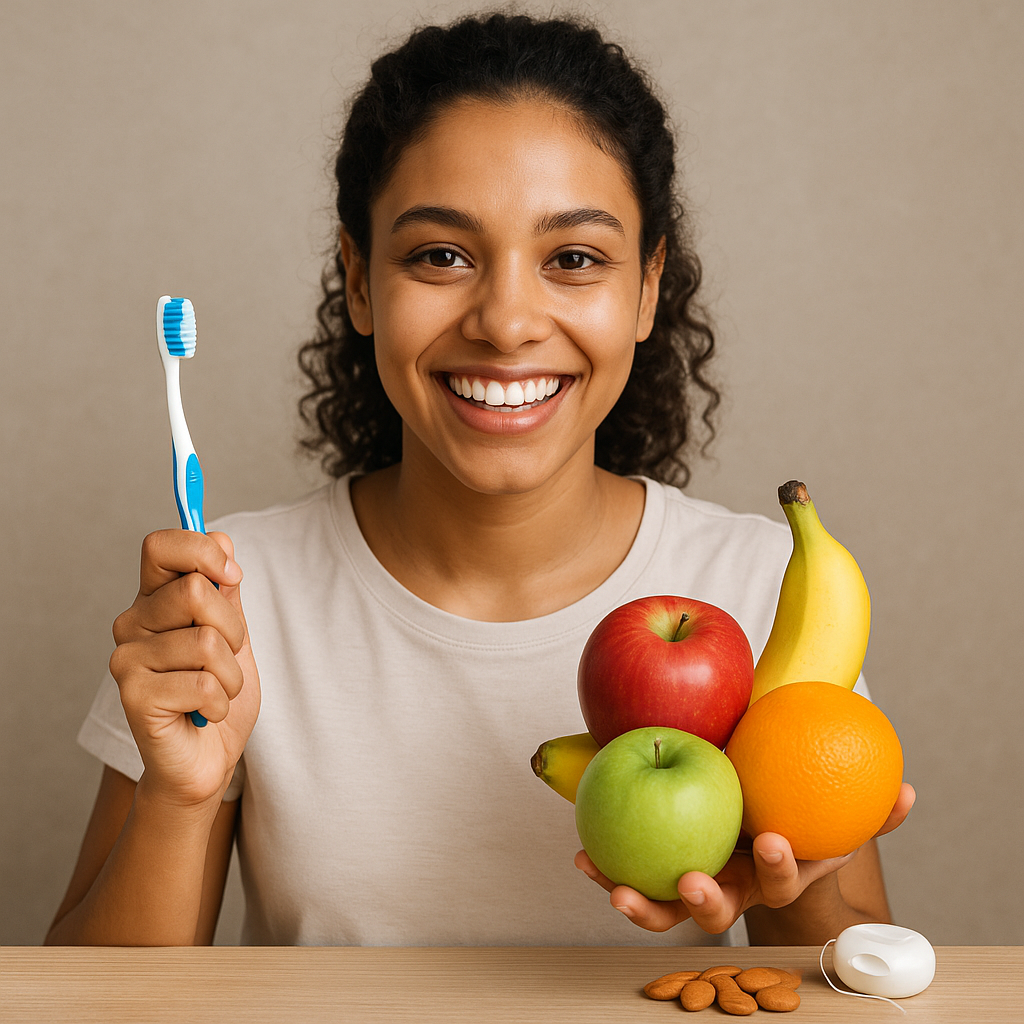
1. Why Oral Health Matters
Oral health is an integral part of overall wellness. Poor dental hygiene can lead to cavities, gum disease, bad breath, and even systemic conditions like heart disease or diabetes. The enamel, a hard outer layer of your teeth, protects them from decay. However, acidic foods, sugary snacks, and improper habits can erode this protective layer over time.
According to the American Dental Association (ADA), nearly 90% of adults show signs of dental caries (cavities) in their lifetime. Preventive care—including the right diet and clean bite habits—can significantly reduce these risks.
2. Foods That Promote Healthy Teeth
a. Dairy Products
Milk, cheese, and yogurt are rich in calcium and phosphorus, essential minerals for strong teeth. Cheese, in particular, raises the pH in your mouth, neutralizing acids and protecting enamel. A small piece of cheese after meals can act as a natural defense against cavities.
b. Crunchy Fruits and Vegetables
Apples, carrots, celery, and other crunchy produce help clean teeth surfaces as you chew. These foods stimulate saliva production, which is your mouth’s natural defense mechanism. Saliva washes away food particles and neutralizes harmful acids produced by bacteria.
c. Leafy Greens
Spinach, kale, and other dark leafy greens are high in calcium, folic acid, and vitamins that strengthen teeth and gums. They also help fight bacteria that cause bad breath and gum inflammation.
d. Nuts and Seeds
Almonds, walnuts, and sesame seeds are packed with essential minerals and healthy fats that contribute to enamel strength. Chewing nuts also increases saliva flow, which reduces plaque accumulation.
e. Water
Although not technically a “food,” drinking water after meals is one of the simplest ways to maintain oral health. It dilutes acids and helps remove food debris. Fluoridated water provides additional protection against cavities.
3. Foods to Limit or Avoid After Meals
a. Sugary Snacks
Candy, cookies, and pastries provide a feast for bacteria in your mouth. These bacteria produce acids that erode enamel, leading to cavities.
b. Acidic Beverages
Sodas, citrus juices, and sports drinks are highly acidic and can weaken tooth enamel if consumed frequently. Using a straw can reduce direct contact with teeth, but moderation is key.
c. Sticky Foods
Caramel, dried fruits, and gummy candies cling to tooth surfaces, giving bacteria more time to produce harmful acids. Rinsing your mouth or brushing after eating sticky foods is crucial.
4. Habits That Protect Your Teeth After Eating
a. Rinse with Water
Rinsing your mouth with plain water immediately after meals helps wash away sugars and acids. Even a quick rinse can reduce enamel erosion and plaque buildup.
b. Chew Sugar-Free Gum
Chewing gum with xylitol after eating stimulates saliva production and helps neutralize acids. Xylitol also inhibits the growth of cavity-causing bacteria.
c. Wait Before Brushing
Brushing immediately after consuming acidic foods or beverages can damage enamel. Experts recommend waiting 30–60 minutes before brushing to allow saliva to restore natural pH levels.
d. Maintain a Balanced Diet
A diet rich in whole foods—vegetables, fruits, lean proteins, and whole grains—supports oral health. Avoiding excessive processed sugars and acidic foods will reduce the risk of decay.
e. Regular Dental Checkups
Even with perfect habits, professional dental cleaning every six months is essential. Dentists can remove plaque buildup that is difficult to eliminate at home and provide personalized advice.
5. Practical Tips for Clean Bite Habits
-
Snack wisely: Opt for fruits, raw vegetables, or nuts instead of sugary treats.
-
Hydrate: Drink water consistently, especially after meals.
-
Brush & floss: Brush at least twice daily and floss once a day to remove hidden food particles.
-
Chew carefully: Chew slowly to stimulate saliva and reduce acid buildup.
-
Use fluoride toothpaste: Fluoride strengthens enamel and prevents cavities.
6. Conclusion
Clean bite habits are a combination of smart food choices and mindful practices. Consuming tooth-friendly foods, avoiding harmful snacks, and adopting proper oral hygiene routines significantly enhance dental health. Small changes—like eating a piece of cheese after lunch, drinking water after snacks, or waiting before brushing—can protect your teeth for decades.
By prioritizing nutrition and oral care, you not only preserve a bright smile but also contribute to your overall well-being. Your teeth reflect the choices you make daily—choose wisely, chew mindfully, and maintain clean bite habits for lifelong oral health.