
Moroccan cuisine is renowned worldwide for its rich flavors, aromatic spices, and slow-cooked dishes, and at the heart of it all is the Moroccan Tagine. This iconic dish is more than just a meal—it’s a culinary experience that combines tender meats, fresh vegetables, and a harmonious blend of spices, all slow-cooked in a special earthenware pot also called a tagine.
In this extensive guide, we will explore the history of the tagine, its traditional recipes, cooking techniques, and tips for making the perfect Moroccan tagine at home. By the end, you’ll have everything you need to bring authentic Moroccan flavors into your kitchen.
1. The History and Cultural Significance of the Tagine
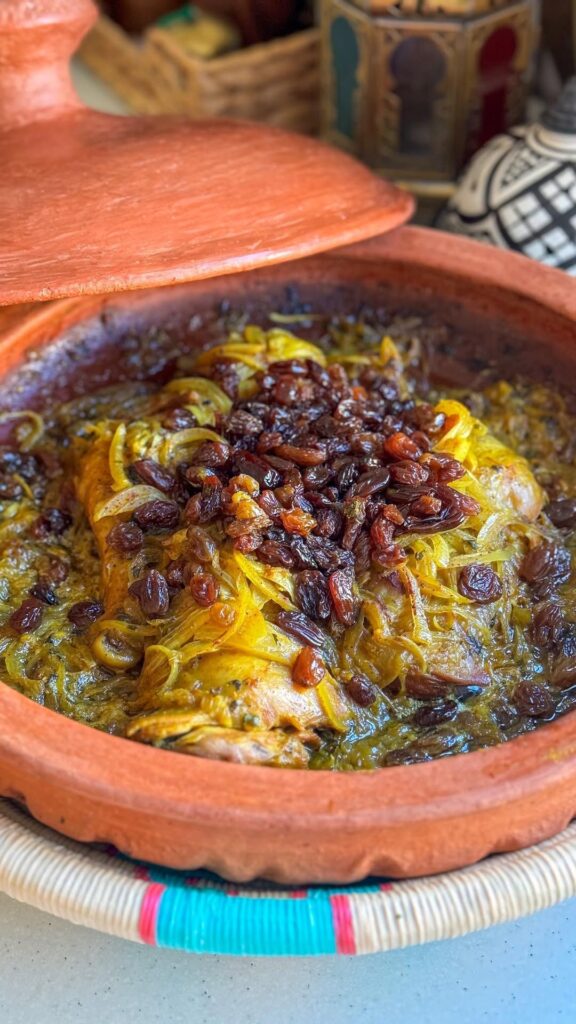
The word “tagine” refers to both the dish and the distinctive cone-shaped pot used for cooking it. The design of the tagine is not just decorative—it is functional. The conical lid helps condense steam and circulate it back into the dish, keeping the food moist and flavorful during slow cooking.
Cultural Significance:
- Tagines are central to Moroccan family meals and gatherings.
- Traditionally, tagines are shared communally, with diners eating directly from the dish.
- Spices like saffron, cumin, coriander, cinnamon, and preserved lemons are hallmarks of tagine cooking.
2. Types of Moroccan Tagine
Moroccan cuisine offers a variety of tagine recipes, each with its unique combination of ingredients and flavors:
2.1 Chicken Tagine with Preserved Lemon and Olives
- Classic dish with a bright, tangy flavor.
- Uses slow-cooked chicken thighs or whole pieces with preserved lemons and green olives.
- Aromatic spices include saffron, ginger, and paprika.
2.2 Lamb Tagine with Prunes and Almonds
- Sweet and savory profile.
- Lamb slow-cooked with prunes, honey, cinnamon, and toasted almonds.
- Often garnished with sesame seeds.
2.3 Vegetable Tagine
- Perfect for vegetarians.
- Seasonal vegetables like carrots, zucchini, eggplant, and bell peppers.
- Spiced with cumin, coriander, turmeric, and paprika.
2.4 Seafood Tagine
- Uses firm fish like cod or sea bass.
- Cooked with tomatoes, onions, peppers, and preserved lemons.
- Light and flavorful, ideal for summer meals.
3. Essential Ingredients for Moroccan Tagine
Meat and Proteins:
- Chicken, lamb, beef, or fish.
- Optional: eggs for adding richness to some recipes.
Vegetables and Fruits:
- Onions, carrots, potatoes, zucchini, bell peppers.
- Dried fruits: prunes, apricots, raisins for sweet-savory combinations.
- Preserved lemons: signature Moroccan flavor.
Spices:
- Saffron threads, ground ginger, turmeric, cumin, cinnamon, paprika, coriander.
- Fresh herbs: parsley and cilantro.
Other Ingredients:
- Olive oil: for sautéing and adding depth.
- Nuts: almonds, pine nuts, sesame seeds for garnish.
- Honey: adds sweetness to meat-based tagines.
4. Cooking Techniques for the Perfect Tagine
Step 1: Preparing the Ingredients
- Cut meat and vegetables into uniform pieces.
- Soak dried fruits if using.
- Mix spices and herbs for a marinade if needed.
Step 2: Layering in the Tagine
- Start with a layer of onions and vegetables.
- Add the meat on top.
- Sprinkle with spices and drizzle with olive oil.
Step 3: Slow Cooking
- Cover with the conical lid.
- Cook over low heat for 1–2 hours (longer for tougher meats).
- Check occasionally to ensure moisture is maintained.
Step 4: Finishing Touches
- Add nuts, herbs, or preserved lemons at the end.
- Adjust seasoning and balance sweet-savory flavors.
5. Tips for a Flavorful Moroccan Tagine
- Use quality spices: Fresh spices dramatically improve flavor.
- Layer flavors: Start with onions and garlic to build a flavor base.
- Slow cook: Patience is key for tender meat and rich flavors.
- Avoid lifting the lid too often: Preserves steam and moisture.
- Experiment with sweet and savory: Combining dried fruits with meat creates authentic Moroccan taste.
6. Common Moroccan Tagine Recipes
Chicken with Preserved Lemon and Olives
- Marinate chicken in olive oil, garlic, saffron, ginger, paprika, and salt.
- Place onions in the tagine base, add chicken, preserved lemons, and olives.
- Cook on low heat for 1.5 hours, garnish with parsley.
Lamb with Prunes and Almonds
- Brown lamb chunks in olive oil.
- Add onions, spices, and water to cover partially.
- Simmer for 1–2 hours, then add prunes, honey, and almonds.
- Cook until lamb is tender and sauce is thick.
Vegetable Tagine
- Sauté onions, garlic, and spices in olive oil.
- Layer chopped vegetables and tomatoes.
- Cover and simmer until vegetables are tender.
- Garnish with fresh cilantro.
7. Serving and Presentation
- Serve tagines directly from the pot.
- Pair with Moroccan bread (khobz) to soak up sauces.
- Tagines are often enjoyed with couscous or rice.
- Garnish with fresh herbs and nuts for a stunning presentation.
8. Storage and Reheating
- Refrigeration: Tagines last 2–3 days in an airtight container.
- Freezing: Suitable for cooked tagine (except seafood).
- Reheating: Warm gently over low heat to preserve flavor and texture.
9. Health Benefits of Moroccan Tagine
- Slow cooking preserves nutrients.
- Vegetables and lean meats make it balanced and wholesome.
- Spices like turmeric, ginger, and garlic add anti-inflammatory and antioxidant properties.
- Can be adapted for vegetarian or lighter diets.
10. Conclusion
The Moroccan tagine is not just a dish—it’s a culinary journey through Morocco’s rich culture, traditions, and flavors. With its combination of tender meats, fresh vegetables, aromatic spices, and slow-cooked perfection, it represents the essence of Moroccan cooking. By following this guide, you can bring authentic Moroccan flavors into your home, impress family and friends, and enjoy a dish steeped in tradition and love.