
In today’s fast-paced world, the idea of dieting has become a confusing web of trends — keto, intermittent fasting, low-carb, paleo — each claiming to be the “ultimate” path to health and weight loss. But beyond all the noise, one timeless truth remains: a healthy diet is not about restriction — it’s about balance.
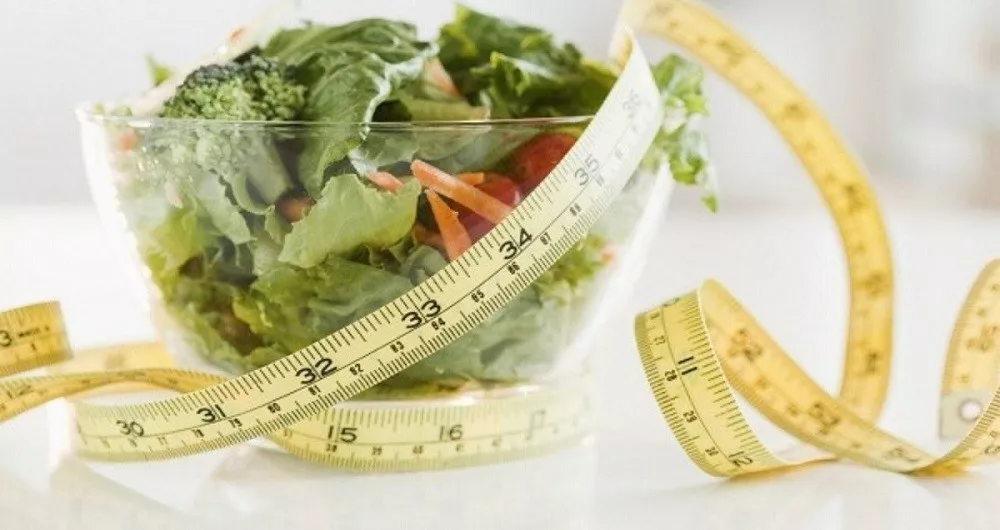
The image before you — a fresh bowl of greens wrapped by a measuring tape — captures this idea perfectly. It’s not just a symbol of weight loss; it’s a reminder that the secret to health lies in mindful nutrition, not extreme dieting.
Healthy Dieting Is a Lifestyle, Not a Punishment
Many people approach dieting with fear — fear of calories, carbs, or even entire food groups. But the truth is, your body thrives on variety and nourishment.
A healthy diet isn’t a short-term fix; it’s a sustainable way of living that fuels your energy, supports your organs, and keeps your mind clear.
FitEats Insight:
The best diet is the one you can live with — not just for weeks, but for years.
When you see that bowl of salad, you’re not looking at “rabbit food.” You’re looking at vitamins, minerals, fiber, antioxidants, and hydration — the essential building blocks that your body needs every day.
The Science Behind a Healthy Diet
Let’s dive deeper into what makes a diet truly healthy from a biological and nutritional perspective.
-
Macronutrient Balance (Protein, Carbs, Fat)
-
Protein builds and repairs tissues, enzymes, and hormones.
-
Carbohydrates are the brain’s preferred energy source — they fuel focus and mood.
-
Healthy fats support brain health, hormone balance, and absorption of vitamins.
-
-
Micronutrient Density
Vitamins (A, C, D, E, K, B-complex) and minerals (magnesium, iron, zinc, calcium) regulate everything from metabolism to mood. -
Fiber and Gut Health
The fiber in leafy greens and vegetables feeds beneficial gut bacteria, improves digestion, and lowers inflammation. -
Hydration and Detoxification
Water-rich foods like lettuce, cucumbers, and tomatoes help flush out toxins and keep your skin radiant.
Scientific Note:
According to research from the Harvard T.H. Chan School of Public Health, people who consume a diet rich in vegetables, whole grains, and lean proteins reduce their risk of chronic diseases by up to 40%.
What This Image Really Represents
That bowl of salad wrapped with a tape measure tells a story — not of restriction, but of control.
It’s about choosing health consciously, not obsessively. The measuring tape isn’t there to punish; it’s a symbol of awareness.
Every centimeter on that tape reflects:
-
Mindful eating habits
-
A commitment to wellness
-
Awareness of portion sizes
-
Respect for one’s body
FitEats Tip:
Measure your progress by how you feel — not just by what the scale says.
💪 Building a Sustainable Healthy Diet Plan
Here’s a science-backed approach to creating your own balanced, sustainable eating plan:
1. Start with Whole Foods
Eat foods that come from the earth — not from factories.
Focus on vegetables, fruits, whole grains, nuts, seeds, and lean proteins.
2. Prioritize Protein
Protein helps preserve lean muscle mass, especially during weight loss.
Include sources like chicken breast, eggs, tofu, fish, or legumes.
3. Control Carbohydrates Wisely
Carbs are not the enemy — refined carbs are.
Choose whole grains (brown rice, quinoa, oats) instead of white bread or sugary snacks.
4. Don’t Fear Healthy Fats
Avocados, olive oil, nuts, and seeds support hormone health and long-term satiety.
5. Stay Hydrated
Dehydration often mimics hunger. Aim for 2–3 liters of water daily, or more if you’re active.
6. Eat Mindfully
Slow down. Chew your food. Listen to your body’s signals — hunger and fullness are biological feedback, not enemies.
The Psychological Side of Dieting
Most people fail not because of knowledge, but because of mindset.
A diet shouldn’t make you miserable; it should empower you.
-
Avoid guilt. Food is not moral. There’s no “good” or “bad” — only balance.
-
Be patient. True body transformation takes consistency, not speed.
-
Celebrate small victories. A healthier breakfast, a skipped soda — they all count.
FitEats Insight:
Your relationship with food shapes your relationship with yourself.
🩺 Nutritional Breakdown of a Healthy Salad (Like the One in the Image)
| Component | Example Ingredients | Benefits |
|---|---|---|
| Base Greens | Lettuce, spinach, kale | Fiber, folate, hydration |
| Vegetables | Carrots, cucumbers, peppers | Antioxidants, vitamins |
| Protein Add-ons | Boiled eggs, grilled chicken, tofu | Muscle repair, satiety |
| Healthy Fats | Olive oil, avocado, nuts | Brain health, hormone balance |
| Complex Carbs | Quinoa, chickpeas | Energy, blood sugar balance |
| Dressing | Lemon + olive oil + herbs | Flavor + anti-inflammatory compounds |
What Happens to Your Body on a Healthy Diet
Within weeks of eating balanced, nutrient-rich meals:
-
Energy levels rise due to stabilized blood sugar.
-
Mental focus sharpens thanks to improved neurotransmitter function.
-
Skin glows as antioxidants repair cellular damage.
-
Weight normalizes naturally — without deprivation.
-
Sleep improves, as cortisol (stress hormone) drops.
Scientific Insight:
Research published in The American Journal of Clinical Nutrition found that a nutrient-dense diet improves sleep quality and reduces anxiety markers by 25%.
A Gentle Reminder
That measuring tape should never be a chain — it’s a guide.
It reminds us that health is measurable, but not just by numbers.
Your true measure of success is:
-
The energy you wake up with.
-
The calmness in your mind.
-
The strength you feel after a meal — not the guilt.
FitEats Tip:
The goal isn’t to eat less. It’s to eat right.
❤️ Final Thoughts: Eat for Life, Not for a Number
A healthy diet is not a trend — it’s a long-term act of self-love.
When you fill your bowl with fresh greens, crisp vegetables, and wholesome proteins, you’re not dieting; you’re nourishing your future self.
The salad in the image is more than food — it’s a symbol of renewal, discipline, and care.
It tells your body: I’m listening. I’m choosing health.
So, next time you reach for your fork, remember —
Every bite can be medicine, or it can be poison.
Choose wisely, eat mindfully, and live beautifully.
Stay balanced. Stay powerful. Stay you.
— The FitEats Blog Team 🌿